
Secured Lashing in Road Transits

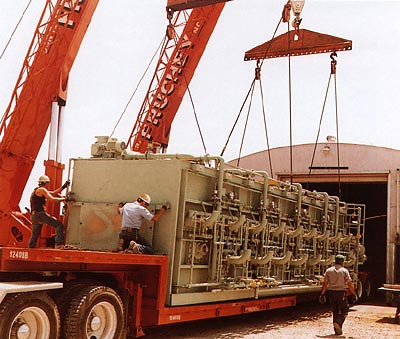
The investigated methods are substantially limited, in the case of direct securing, to introducing the maximum loading capacity of the securing devices into the balance, while in the case of frictional securing (tie down lashing) the vertical components of the nominal pretension of the lashings are used. Short comings in direct securing are that the

ΔΗΛΩΣΗ ΖΗΜΙΑΣ ΚΛΑΔΟΥ ΜΕΤΑΦΟΡΩΝ

ΔΗΛΩΣΗ  ΖΗΜΙΑΣ ΚΛΑΔΟΥ ΜΕΤΑΦΟΡΩΝ Ασφαλιζόμενος. Αριθ. Συμβολαίου Αριθ. Κυκλ/ας οχήματος ή Όνομα  Πλοίου: Container Nr. Στοιχεία Οδηγού (ονομ/μο, τηλέφωνο) ..................................................................................... Όνομα Ιδιοκτήτη του οχήματος ή Πλοιοκτητρία Εταιρία: .........................................................……………………… Ημερ/νια Ζημίας .......................       Ταξίδι ......................................... Είδος Ζημίας : □ Ατύχημα□ Φωτιά □ Κλοπή□ Έλλειμμα□ Βρέξιμο □ Αλλοίωση□ Φθορά Είδος Εμπορεύματος: ............................................................................................... ................................................................................................ Ύψος ζημίας € ........................ κατ

Σύμβαση Θαλάσσιας Μεταφοράς

Έκδοση καθαρής φορτωτικής. Σύμβαση ασφαλίσεως του μεταφερομένου φορτίου. Διαπίστωση ζημίας μέρους του φορτίου και καταστροφής αυτού κατά την εκφόρτωση.  Υποκατάσταση ασφαλιστή στα δικαιώματα της ασφαλισμένης δυνάμει εκχωρήσεως. Αγωγή αποζημιώσεως. Ρήτρα φορτωτικής περί αποκλειστικής δικαιοδοσίας τωνΡουμανικών Δικαστηρίων για κάθε διαφορά από την επίδικη σύμβαση μεταφοράς.  Απόρριψη αγωγής ως απαραδέκτου λόγω ελλείψεως διεθνούς δικαιοδοσίας ελληνικών δικαστηρίων.  Εισηγητής:

“short-delivery” and “non-delivery”

Distinction between the terms "short-delivery" and "non-delivery" is not purely academic because both risks are not always insured together. In fact, there is a special Institute Clause covering the risks of theft, pilferage and non-delivery, for use with the present marine policy form, which qualifies non-delivery as appertaining to an entire package, this being the

Ullage, Theft or Tropical Perils

(“the George S” case) In 1983 it first came to light that some ship's crews were siphoning off their cargo of crude oil to use as fuel. The practice was the subject of a circular to all governments, issued by the Marine Safety Committee of IMO, warning them of a serious danger to both ships

Go to Top